Cart
0

If you have oily skin, you probably know the feeling — your face starts looking shiny by afternoon, pimples keep popping up, and makeup just doesn't stay put. That's why picking the right face wash matters so much. But with thousands of products on the market, trying them all isn't easy on your wallet or your time. In this article, we'll explain in simple words why oily skin happens, what causes it, how to build an easy daily routine, which ingredients to look for, and how to pick the best face wash for oily skin.
Problem: The Biggest Struggle With Oily Skin
Oily skin means your skin produces more oil (called sebum) than normal. This oil makes your face look shiny and greasy, especially around the nose, forehead, and chin — an area often called the "T-zone."
Common problems that come with oily skin include:
- The face looks oily and shiny again by midday
- Pores appear larger and get clogged with dirt easily
- Pimples, blackheads, and acne show up again and again
- Makeup doesn't last very long
- Skin can feel a bit rough or patchy in certain areas
These problems happen because extra oil mixes with dust, pollution, and dead skin cells, clogging up your pores. And if you use the wrong face wash, the problem can actually get worse instead of better.
Causes: Why Does Oily Skin Happen?
There can be many reasons behind oily skin. Understanding these reasons is important because it helps you choose the right treatment and the right face wash.
- Genetics If your parents have oily skin, there's a good chance you do too. This is something built into your body that you can't fully control, but you can manage it well with the right care.
- Hormones During teenage years or around your period, certain hormones (especially androgens) become more active. These hormones signal your oil glands to produce more sebum. That's why oily skin and acne are so common among teenagers.
- Weather and Climate Heat and humidity make skin produce more oil, especially in hot, humid countries. So if you live somewhere warm, this can be a bigger issue for you.
- Using the Wrong Skincare Products Many people think oily skin needs a very strong or harsh cleanser. But that's actually a mistake. Harsh products strip away your skin's natural oil, and in response, your skin produces even more oil to compensate. This makes the problem worse, not better.
- Stress and Lack of Sleep When you're stressed or not sleeping enough, your body's hormone balance gets disturbed, which can lead to more oil production.
- Diet Eating too much oily, fried, or sugary food can increase oil production and acne for some people, though this doesn't affect everyone the same way.
Routine: The Right Skincare Routine for Oily Skin
A good face wash alone isn't enough — you need a proper oily skin skincare routine for long-lasting results. Here's a simple daily routine anyone can follow.
Morning Routine
- Wash Your Face — As soon as you wake up, wash your face with lukewarm or normal water using a gentle, oil-control face wash. Avoid very hot water, as it can dry out your skin, which can actually trigger more oil production.
- Apply Toner — A light toner after washing helps tighten pores and control extra oil.
- Light Moisturizer — This might sound strange, but oily skin needs moisturizer too. Just choose an oil-free or gel-based moisturizer.
- Sunscreen — Don't skip sunscreen before heading out, otherwise sun damage can make your skin even oilier and patchy over time.
Night Routine
- Remove Makeup — If you've worn makeup, remove it first before washing your face.
- Wash Your Face — Wash away the day's dirt, pollution, and extra oil with your face wash.
- Light Moisturizer — Apply a light moisturizer at night too, to keep your skin balanced.
Once or Twice a Week
- Exfoliation (Scrub) — Use a mild scrub once or twice a week to remove dead skin cells. Doing it more often can actually damage your skin.
- Face Mask — Clay or mud masks work well for oily skin since they absorb extra oil.
Remember: Don't wash your face more than twice a day. Many people think washing more often is better, but that's a myth. Over-washing breaks down your skin's natural oil barrier, causing it to produce even more oil.
Ingredients to Look For in a Face Wash
When choosing the best face wash for oily skin, make sure to check the label for a few important ingredients. These help control oil, clean out pores, and keep your skin healthy.
- Salicylic Acid This is a highly effective ingredient that goes deep into pores to remove excess oil and dead skin. It's considered one of the best options for acne-prone oily skin.
- Niacinamide This ingredient helps control oil production and makes pores look smaller. It also has a calming effect on the skin.
- Tea Tree Oil Thanks to its natural antibacterial properties, this ingredient helps fight pimples and acne.
- Charcoal Activated charcoal deep-cleans dirt, pollution, and excess oil from your skin, almost like a magnet pulling out impurities.
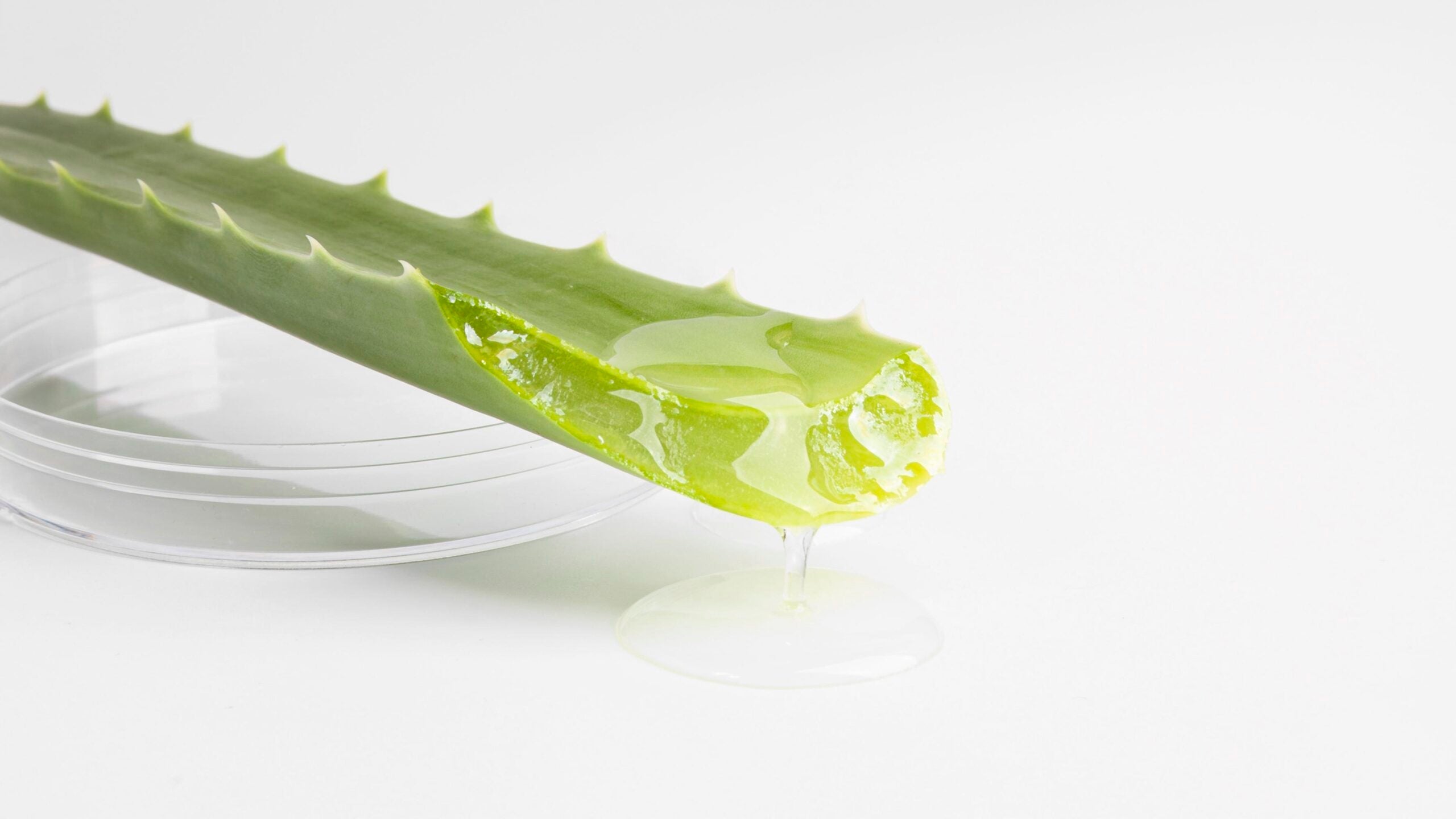
- Aloe Vera Aloe vera soothes the skin and reduces irritation, especially helpful when the face wash also contains stronger active ingredients.
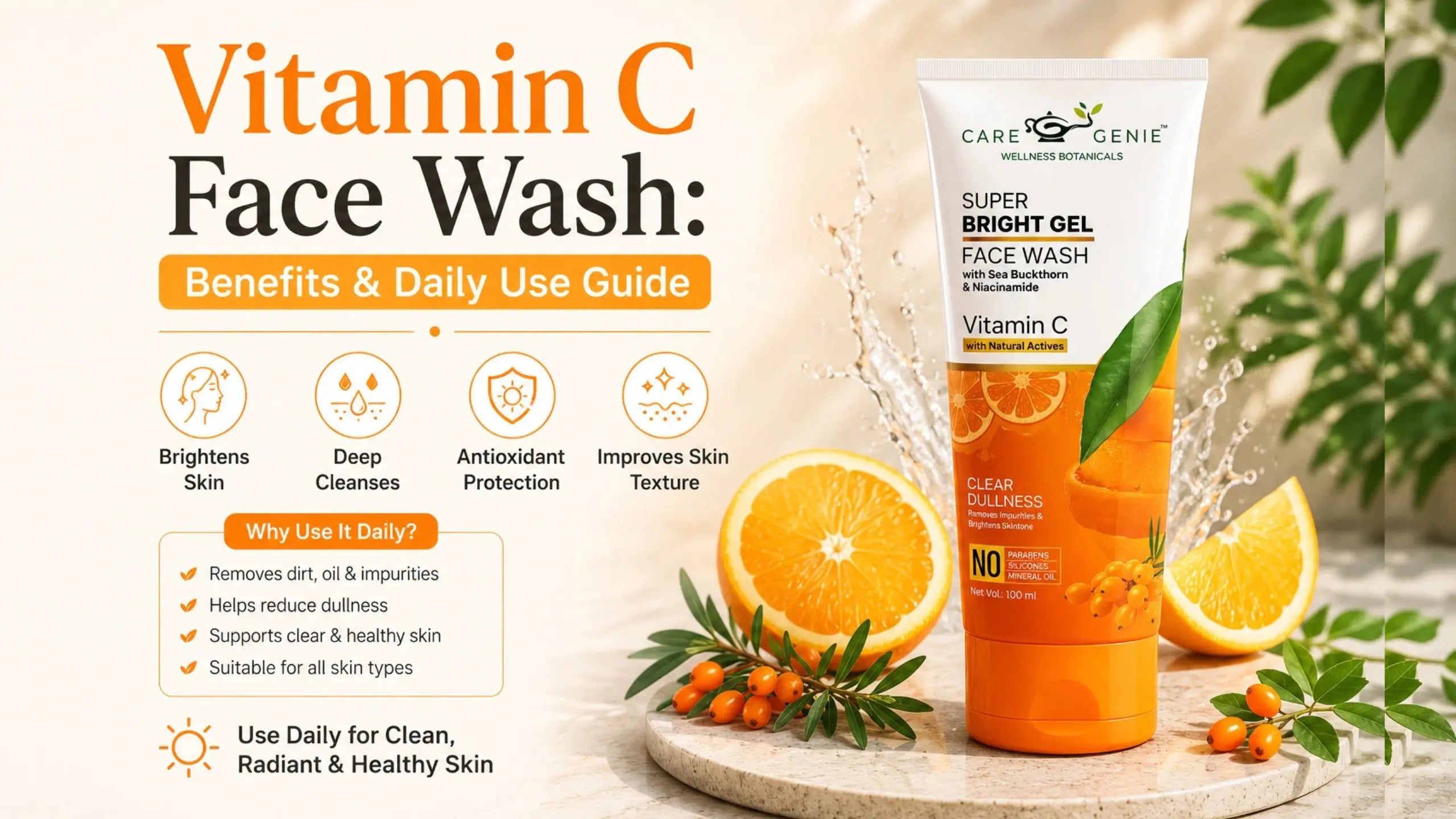
- Vitamin C These days, vitamin C face wash with seabuckthorn oil has become quite popular. Vitamin C brightens dull, oily skin and adds a healthy glow. Seabuckthorn oil is a natural ingredient that's lightweight but packed with nutrients, without leaving any greasy feeling behind. This combination is perfect for people who want oil control along with a bit of natural glow.
- Saffron and Aloe Another trending option is aloe saffron face wash. Saffron (kesar) helps even out skin tone and brings a natural glow, while aloe keeps the skin cool and calm. This combination works well even for sensitive oily skin since it's gentle yet effective.
Ingredients to Avoid:
- Heavy soap-based face washes that dry out the skin excessively
- Alcohol-heavy products that remove oil in the short term but make skin oilier in the long run
- Harsh scrubs with large, rough particles that can scratch or irritate the skin
How to Choose the Best Face Wash for Oily Skin
When you're looking for an oil control face wash, keep this simple checklist in mind:
- The label should say "oil-free" or "non-comedogenic" (meaning it won't clog pores)
- It should contain at least one effective ingredient like salicylic acid, niacinamide, or tea tree oil
- If your skin is sensitive, look for soothing ingredients like aloe vera or saffron
- For a glow boost, try a face wash with vitamin C and seabuckthorn oil
- Avoid very cheap products or those loaded with harsh chemicals
Most importantly: every skin is different. Just because a product works for your friend doesn't mean it'll work the same way for you. So always do a small patch test (on your hand or jawline) before trying a new product on your whole face.
Conclusion
Controlling oily skin isn't difficult — it just takes a bit of understanding and consistency. Choosing the right face wash, using it the right way, and following a simple daily routine — these three things together can keep your skin healthy, fresh, and oil-free.
If you want clear, glowing, oil-free skin, start today by trying a good oil control face wash — whether it has salicylic acid, a vitamin C face wash with seabuckthorn oil, or a gentle aloe saffron face wash. Pick the right product for your skin type, stick to your routine, and watch the difference for yourself!
Which face wash are you currently using? Let us know in the comments, and if you found this article helpful, share it with your friends who also struggle with oily skin!
Recent Post